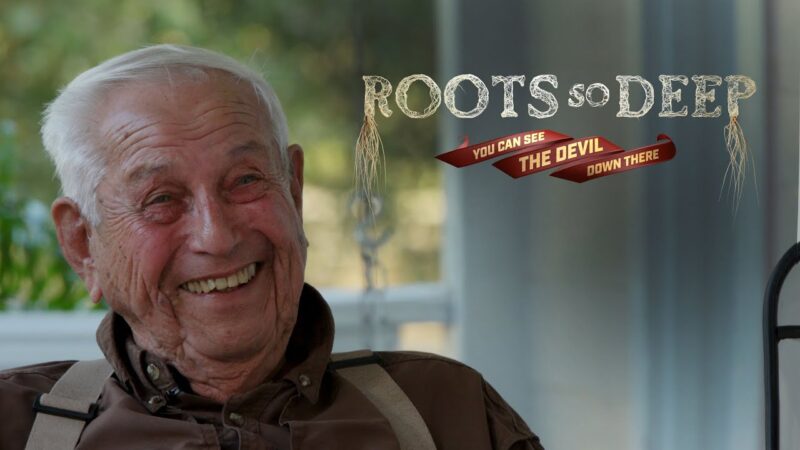
An inspiring, positive, data-driven, human, and good humoured film about Adaptive Multi Paddock grazing (regenerative agriculture), and its beneficial impacts. I’ve watched many films on this topic over the years, and this one beats them all! I was moved to tears seeing what is and what can be, so I got in touch with the filmmakers in the US and secured permission to screen it all around New Zealand.
A regenerative agriculture resource
This regenerative agriculture resource is continually evolving resource.
It is for farmers and growers dipping their toe in the water of regenerative agriculture and all it has to offer, and for those who are curious or maybe even doubt it can work in their context. This resource is not intended to answer all your questions, but it will certainly give you plenty to explore, put some wind in your sails, and offer jumping off places for your next step.
Official Film Trailer
Social channels
Filmmaker sites
- rootssodeep.org
- the published-research
- facebook.com/carboncowboys
- instagram.com/carboncowboys
- youtube.com/@carboncowboys
- clips from the film
- trailer (above)
Film screenings
Past screenings – starting in October 2024, the film has been shown to appreciative audiences in Rangiora – Takaka – Motueka – Greytown – Waikanae – Whanganui – Norsewood Tararua – Wellsford – Whenuapai – Great Barrier – Kerikeri – Whangarei – Waihi – Gisborne – Wellsford – Maungatapere – Kaeo – Kerikeri – Mangawhai – Whananaki
Contact James Samuel, to collaborate on a screening: jmsinnz@gmail.com
And yes, it’s happening in New Zealand
Growing Radicles Instagram feed . . .

Growing Radicles
Supporting regeneration through events that Inspire, Inform, Educate and Connect. Currently focussed on the new film: Roots So Deep

When an experiment fails, we have to try something new. The industrial food system “experiment” — defined by chemical control and domination over natural processes — began in earnest in the 1940s ~ 80 years ago.
Its impacts on ecosystem and human health are clearly documented. So what comes next?
One possibility is growing food in diverse and multi-layered systems of mostly perennial plants (so we don't need to turn soil and kill the life in it).
In support of this experiment, we are running a Fast Track your Food Forest series.
Session One is being held at James Andrews' place in Mangawhai this Sunday (June 8th).
It is being run by James and Arthur McInnes of @twinfallsnursery
The registration form is at:
b.link/fasttrackyourfoodforest
#foodforest #syntropicagroforestry #mangawhai
On Friday a small group came together to explore #foodforestdesign through a #syntropicagroforestry lens.
James Andrews opened with a simple exercise in Holistic Decision Making that ensured we had a shared purpose for the day, and this made for strong connections between everyone present.
Arthur McInnes from @twinfallsnursery had a clear plan for communicating the core principles of #syntropicagroforestry as a tool for fast tracking #foodforest implementation.
After sharing an abundance of propagation tips, we ended the day raking the recently chopped grass into the productive tree rows.
The plan is to run this session again with new people (and any who want to come back for a second run at these foundations).
For the next in this series we'll dive into the specific planting strategy.
Leave a comment, if you're interested in either of these.
With rain predicted we thought we should get the Kikuyu cut ahead of Friday's Food Forest training day. Lifestyle Mowing did an amazing job - cutting it down to the ground and leaving us with an abundance of well chopped grass to rake into tree rows.
#foodforest
#twinfallsnursery
Msg me to find out about the April 18th event.
Arthur from @twinfallsnursery will share more about his current thinking on Food Forest design and implementation.
This approach significantly reduces the maintenance effort, and has shown to be effective at introducing the species that replace grasses (including Kikuyu).
Arthur will be sharing his experience at the "Fast track your Food Forest - from design to implementation." training on Friday (Apr 18).
See previous posts for more information, or message James on this channel.
#foodforest

Happening in Mangawhai on Good Friday.
#growyourfood
#foodforest

Jesse from @freshlinkgrocer shares his inspiring story and strategy at Future Whenua.
So glad I came to thos event, to hear this!

Northland Tour of Roots So Deep film