
Look at any patch of ground you’ve stopped managing for a season. Grasses give way to weeds. Weeds give way to scrub. Scrub gives way to something more denser, diverse, and alive. Nature has a direction, and it isn’t towards a mown lawn.
Your land has an impulse to become more abundant. It’s your choice to work with that, or push against it.
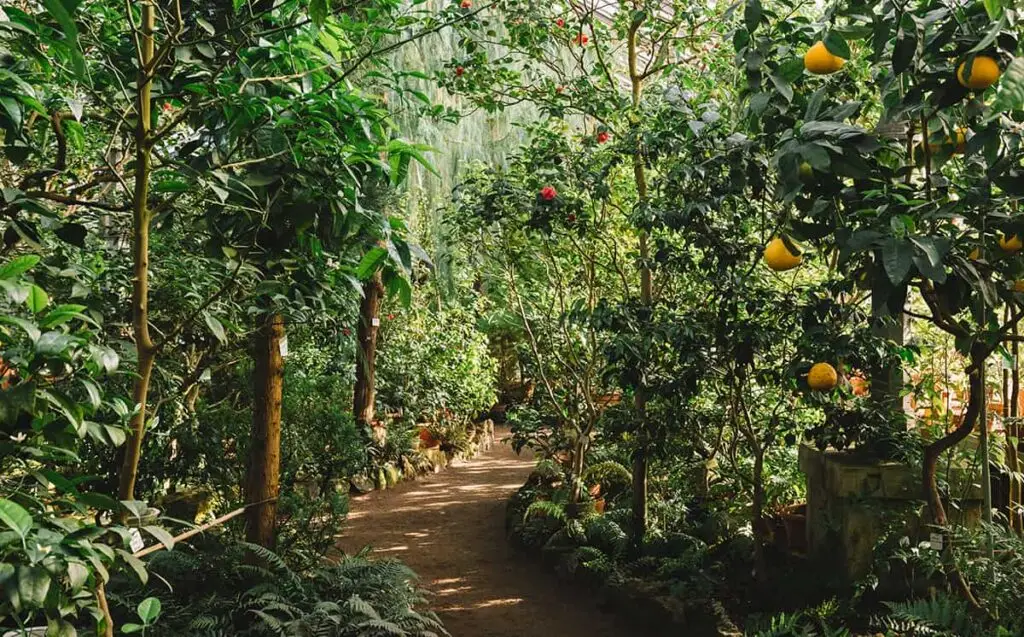
A food forest is simply a landscape that produces food like a forest — with diversity, and minimal external inputs. Tall canopy trees, smaller fruit and nut trees, shrubs, and ground covers. Each plant supporting the others, feeding the microbial life in the soil, creating habitat, capturing water.
Most people who feel drawn to this already sense what’s possible. They’ve watched a video, read something, walked through someone else’s thriving plot and felt that quiet ache: I want this.
And then they’ve gone home to their paddock — the kikuyu, the unbroken grass, the lawn that costs them a weekend every fortnight — and asked the question that stops so many people cold:
Where do I start?
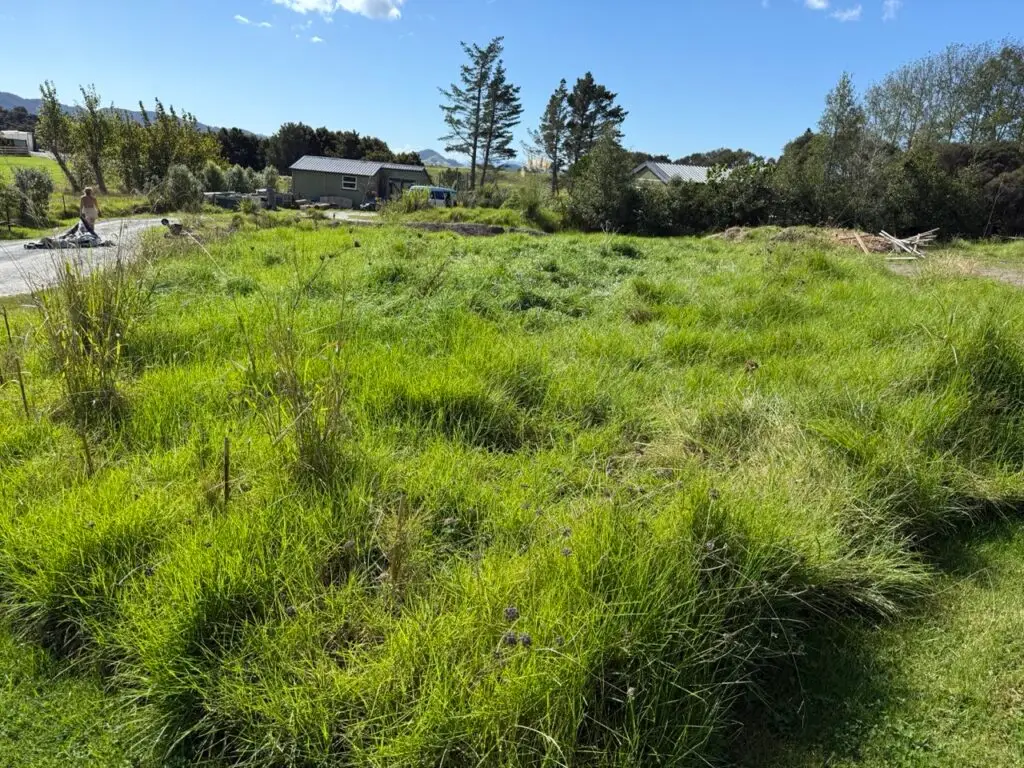
Here’s what I’ve learned, from working with people like me who’ve been wishing for a food forest on the land they care for.
The reason most food forests don’t get started isn’t lack of desire, it’s the gap between the vision, and the reality of what’s in front of them. The advice they find often leaps to the full system — the guilds, the canopy layers, the design maps, the plant lists. But what if you could do something, this month, on your land, within the constraints of your budget?
It turns out the first step can be simpler and more achievable than most people think.
If you’re not in a screaming rush to get the whole food forest established this year, you can start by creating the conditions that will support the productive trees to thrive, when their time comes.
In nature every complex system begins simply, then moves through stages.

Weedy plants and grasses first. Then pioneer plants — the fast-growing, light-hungry, soil-building species, that begin to shade out the grass, add biomass, and prepare the ground for what comes next. These forest pioneers build the conditions for their own succession.
We can work with this same process consciously and intentionally, by planting fast-growing support species. The most well-known and vigorous pioneer species can be propagated from cuttings and seeds, and once planted begin the work of:
- Shading out kikuyu and other grasses
- Building organic matter and soil life
- Generating biomass to feed future productive plants
- Giving you a living, working system to learn from
This first stage asks only for patience, attention, and a willingness to trust the process.
And once you’ve made that beginning, everything changes. The land starts responding, you start seeing, and the next step becomes visible from this new place where you stand.
Your land is already trying to do this by itself, but if you’re ready you can give nature a leg up.
If you have a small paddock, even a patch of kikuyu you’ve given up fighting — there is a first step that doesn’t require a big budget, a complete design, or years of study.
If this is speaking to something in you, reach out and tell us about your land, and where you’re at. team@growingradicles.org
Every genuine message will get a reply.
PS I was in a rush, and wanted to plant everything all at once. It worked, and it is the option if you have a support team, want to learn, have the labour resources, and a bit of money.
Here’s my story of the preparation, and the first six months of growth since planting in Spring 2025.